Sunday, April 13, 2025

Between Logic and Legacy: Scientists and Superstitions


We often imagine scientists as champions of logic—people who test hypotheses, analyze data, and debunk myths. But peel back the layers, and you might find something surprising: even those deeply immersed in science are not immune to the pull of superstition.

Across societies, superstitions, customs, and traditional beliefs persist, quietly passed down from generation to generation. They’re stitched into the fabric of our lives—often followed unconsciously, with no one stopping to ask why. Before we can even begin to think scientifically about these practices, we need to first notice them. And that awareness usually comes not from textbooks, but from experience—a passing comment, an odd ritual, or a moment that challenges our assumptions.

For many, formal education might seem like the natural antidote to blind belief. But the truth is more complicated. Despite years of schooling, even the most scientifically educated individuals can struggle to apply their rationality beyond the confines of their discipline. It’s not uncommon to find scientists who conduct cutting-edge research by day and still follow age-old customs at home— fasting on certain auspicious day, checking horoscopes, or avoiding meat on specific days.

This contradiction often begins early. As children, we absorb the customs around us—like not stepping out during an eclipse, avoiding certain activities during menstruation, or interpreting the fall of a lizard on us as a bad sign. These practices vary based on region, religion, caste, socioeconomic status, and family background, but they are near-universal in presence. Rarely are they questioned.

When we start learning science in school, we’re introduced to a new way of thinking—one that demands evidence, encourages skepticism, and values logic. Slowly, we begin to notice the inconsistencies. We start to ask, “Why do we do this?” But too often, those questions are dismissed. “You won’t understand,” adults say. Or worse, “Don’t question tradition.” Eventually, we stop asking. We comply—not out of belief, but out of habit. The practices remain, unquestioned, and we move on.

Later, science becomes an academic pursuit. We excel in exams, earn degrees, and specialize in fields like engineering, medicine, or pure sciences. Some of us go on to research, working in prestigious institutions, designing experiments, and contributing to the global body of knowledge. Within the four walls of the laboratory, we apply the principles of science with rigor. But once we step outside, that mindset just fades.

Even within scientific spaces, subtle forms of irrationality still linger. It’s not uncommon to find researchers timing the start of an experiment with an “auspicious day,” or submitting a paper for publication only during a “favorable hour.” Some hesitate to leave experiments unattended—not due to technical concerns, but because it feels unlucky. Others invoke religious faith to drive research, interpreting success or failure as divine will rather than the result of design or error.

This blending of personal belief with professional inquiry may seem harmless—but it sends a problematic message to the public.

In society, scientists are often seen as role models—symbols of truth-seeking and rationality. When individuals in such respected positions openly follow practices disconnected from evidence-based science, it creates confusion. It sets a precedent that such duality is not only acceptable, but ideal. Worse, young students and aspiring scientists may be discouraged from thinking critically when they’re told, “Even that famous scientist believes in it—why don’t you?” This undermines the very spirit of scientific inquiry.

In such moments, genuine practitioners of rational, evidence-based science are sidelined. Their insistence on questioning norms is brushed aside in favor of the “successful” scientist who still adheres to superstitions. This, over time, dilutes the scientific ethos and gives rise to the misleading idea that science and irrational belief can comfortably coexist.

We must actively educate the public that scientists are not a monolithic group. They are, first and foremost, human beings—shaped by their upbringing, environment, and personal beliefs. Science doesn’t automatically erase inherited traditions or emotional attachments. But the key distinction lies in awareness. Not every scientist represents the spirit of science, and not every belief deserves equal weight in scientific discourse.

Society needs to understand that belief and knowledge are not the same. Evidence-based science demands rigor, repeatability, and reason. And while people may carry their private beliefs, those in scientific roles must be especially mindful of the example they set—because the impact of their actions extends beyond the lab and into the collective understanding of what science truly means.

And finally, we must remember: after all, scientists are also like other people. They belong to the same society as everyone else. They grow up with the same stories, customs, and rituals. They too have diverse beliefs, ideologies, and emotional attachments. But that’s where the journey toward true scientific thinking begins—not by pretending to be immune to bias, but by acknowledging it.

As individuals, we each carry our own bundle of beliefs.

I, too, may hold certain superstitions or irrational habits. But the responsibility lies with me—to reflect on them, to question them, and to correct them. That is the path to a more scientific mindset—not just in theory, but in practice. In our lives, in our work, and in our vision for humanity.

Because science, at its heart, is not just about discovering new truths. It’s also about unlearning old assumptions—and having the courage to grow beyond them.

-Dr. Vinayak Kamble

शास्त्रज्ञ, अंधश्रद्धा आणि तर्क


आपण अनेकदा शास्त्रज्ञांची कल्पना अतिशय बुद्धिमान आणि "कायम तर्कसंगत" म्हणून करतो — असे लोक जे प्रयोग करतात, निरीक्षण करतात, आणि चुकीच्या गोष्टींचा पर्दाफाश करतात. पण जर आपण त्यांच्या जीवनाचा थोडा खोलवर विचार केला, तर काही आश्चर्यजनक गोष्टी लक्षात येतील — अगदी विज्ञानात गुंतलेले लोकही अंधश्रद्धेपासून पूर्णपणे दूर नसतात.

जगात अनेक समाजांमध्ये अंधश्रद्धा, पारंपरिक चालीरीती आणि विश्वास अजूनही टिकून आहेत. वेगवेगळ्या गोष्टींमुळे वेगवेगळ्या प्रकारचे समज-गैरसमज पाळले ​जातात आणि भौगोलिक ठिकाण, जात-धर्म, घरातली एकूणच शैक्षणिक स्थिती, आर्थिक स्थिती, आजूबाजूचा समाज यानुसार त्या बदलतात; पण तरी​ही, कोणत्या ना कोणत्या प्रकारचे असे समज​-गैरसमज जवळपास सगळ्याच घरांमध्ये असतात. हे सरळपणे पिढ्यानपिढ्या चालत आलेले असतात.

नेमकी कुठली  श्रद्धा आणि कुठली अंधश्रद्धा​- आणि कुठला वैज्ञानिक दृष्टिकोन याचा विचार करण्याआधी ह्या गोष्टीची जाणीव व्हावी लागते. हा विचार मनात यायला तशा गोष्टी घडाव्या लागतात​. काहीतरी वाचनात येतं​, कुणाशी तरी त्याबद्दल बोलणं होतं​, कुणाचं काहीतरी बोलणं ऐकलं जातं​, पाहिलं जातं​, त्यावरून आपल्याला आपल्या श्रद्धा​-अंधश्रद्धांचा विचार करण्याची संधी मिळते​. एरव्ही आपल्या दैनंदिन जीवनात ते इतके मिसळून गेले आहेत की आपण त्यांना नकळत पाळतो - कोणीही “हे का?” असं विचारत नाही. विज्ञानाच्या दृष्टीने विचार करण्याआधी, हे सगळं आपल्या लक्षात येणं गरजेचं असतं आणि ही जाणीव आपल्याला बहुतेक वेळा पुस्तकांतून नव्हे, तर अनुभवातून मिळते - एखादं वाक्य, एखादी विचित्र परंपरा, किंवा आपली विचारसरणी बदलवणारा एखादा प्रसंग यापैकी काहीही त्यासाठी कारणीभूत ठरू शकते.

बर्‍याच लोकांना वाटतं की शिक्षण मिळालं की अंधश्रद्धा आपोआप निघून जाईल. पण हे इतकं सोपं नसतं. कित्येक वर्षे अभ्यास केल्यानंतरसुद्धा काही शास्त्रज्ञ आपल्या क्षेत्रात तर तर्कशुद्ध राहतात, पण इतर वेळेस जुन्या चालीरीतींना पाळतात — विशिष्ट वेळी प्रयोग सुरु करणे, राशी पाहणे, किंवा आठवड्याचे काही विशिष्ट दिवस मांसाहार टाळणे.

ही विसंगती लहानपणापासूनच सुरू होते. लहानपणी आपण आजूबाजूचे नियम आपोआप शिकतो — ग्रहणाच्या वेळी बाहेर न जाणे, मासिक पाळीत काही गोष्टी टाळणे, किंवा पाल पडल्यास अपशकुन मानणे. या सगळ्या गोष्टी वेगवेगळ्या भागांनुसार, धर्मानुसार, जातीनुसार, आर्थिक स्थितीनुसार किंवा घरातील वातावरणानुसार वेगळ्या असू शकतात — वेगवेगळ्या का असेना पण त्या सगळीकडे दिसतात. फार थोड्याच वेळा त्यांचं कारण विचारलं जातं.

शाळेत विज्ञान शिकायला लागल्यावर आपल्याला विचार करण्याची नवीन पद्धत शिकवली जाते — प्रयोग सिद्ध करून पुरावा मागितला जातो, शंका घेणे प्रोत्साहित केले जाते, आणि तर्कशक्तीला महत्त्व दिले जाते. हळूहळू आपल्याला काही गोष्टी विसंगत वाटायला लागतात. आपण विचारू लागतो, “आपण असं का करतो?” पण बऱ्याच वेळा मोठ्यांकडून हे प्रश्न टाळले जातात. मोठे लोक म्हणतात, “तुला नाही कळणार.” किंवा “परंपरेवर प्रश्न विचारायचे नसतात.” आणि मग आपण विचारणं बंद करतो. सवयीने आपण त्या गोष्टी करत राहतो — श्रद्धेमुळे नव्हे, तर सवयीमुळे.

नंतर, विज्ञान हे आपलं अभ्यासाचं क्षेत्र बनतं. आपण परीक्षांमध्ये चांगल्या गुणांनी उत्तीर्ण होतो, पदव्या घेतो, आणि इंजिनीअरिंग, वैद्यकीय, किंवा मूलभूत विज्ञानाच्या क्षेत्रात पुढे जातो. काहीजण संशोधन करतात, मोठ्या संस्थांमध्ये काम करतात, आणि जगभरात ज्ञानात भर घालतात. प्रयोगशाळेत आपण विज्ञानाचे नियम काटेकोरपणे पाळतो. पण एकदा प्रयोगशाळेच्या चार भिंतींच्या बाहेर आलो की, तो वैज्ञानिक दृष्टिकोन अनेकदा नाहीसा होतो. 

अगदी वैज्ञानिक क्षेत्रातसुद्धा काही अंधश्रद्धा दिसून येतात. काही शास्त्रज्ञ “शुभ मुहूर्तावर” प्रयोग सुरू करतात, किंवा “चांगल्या वेळेस” आपले शोधनिबंध प्रकाशनासाठी पाठवतात. काहीजण प्रयोग सोडून जायला घाबरतात — कारण त्यांना प्रयोग अपयश होण्याची भीती वाटते. काहीजण यश किंवा अपयश याचा अर्थ तांत्रिक चुका किंवा यशस्वी प्रयोगाचे श्रेय चांगले वाईट डिझाइन न मानता, देवाच्या इच्छेशी जोडतात.

ही वैयक्तिक श्रद्धा आणि व्यावसायिक काम यांची सरमिसळ वरवर काहीही त्रासदायक वाटू शकत नाही. पण याचा समाजावर चुकीचा आणि  गंभीर परिणाम होतो.

समाजात शास्त्रज्ञ हे आदर्श मानले जातात — सत्य शोधणारे आणि तर्कशुद्धतेचे प्रतीक. जेव्हा असे लोक पुराव्याशिवाय पारंपरिक गोष्टी करताना दिसतात, तेव्हा समाज गोंधळात पडतो. त्यामुळे काही चुकीचे समज पसरतात — जसे की अशी दुहेरी विचारसरणी (तर्क आणि अंधश्रद्धा एकत्र) योग्यच आहे असे वाटणे. त्याहूनही वाईट म्हणजे, विद्यार्थ्यांना सांगितले जाते, “तो प्रसिद्ध शास्त्रज्ञसुद्धा यावर विश्वास ठेवतो — मग तू का नाही?” त्यामुळे विद्यार्थी स्वतंत्र विचार करण्याऐवजी मागे हटतात.

यामुळे खरे वैज्ञानिक, जे तर्कशुद्धतेवर भर देतात, बाजूला सारले जातात. समाज त्यांच्याकडे दुर्लक्ष करतो, आणि अशा शास्त्रज्ञांकडे पाहतो जे अजूनही अंधश्रद्धा पाळतात. यामुळे विज्ञानाची खरी मूल्यं दुर्बल होतात आणि असं वाटायला लागतं की विज्ञान आणि अंधश्रद्धा एकत्र चालू शकतात.

आपल्याला लोकांना शिकवावे लागेल की शास्त्रज्ञसुद्धा सामान्य माणसेच असतात. तेही आपल्या सारख्याच समाजात वाढतात, त्यांच्यावरही त्यांच्या कुटुंबाचा, वातावरणाचा, आणि परंपरेचा प्रभाव असतो. विज्ञान शिकल्याने आपोआप सर्व जुन्या समजुती निघून जात नाहीत. पण फरक असतो — तो म्हणजे ‘जाणीव’. प्रत्येक शास्त्रज्ञ विज्ञानाचं मूळ तत्त्व ओळखतो असं नाही. आणि प्रत्येक श्रद्धा वैज्ञानिक चर्चेत स्थान मिळवू शकते असंही नाही.

समाजाने हे समजून घेतलं पाहिजे की श्रद्धा आणि ज्ञान वेगळे आहेत. वैज्ञानिक ज्ञानासाठी पुरावे, प्रयोगांची पुनरावृत्ती, आणि तर्कशक्ती लागते. लोक त्यांच्या खाजगी श्रद्धा बाळगू शकतात, पण वैज्ञानिक भूमिकेत असताना त्यांनी आपल्या वागण्याचा समाजावर होणारा परिणाम लक्षात ठेवला पाहिजे.

आणि शेवटी, हे लक्षात ठेवायला हवं — शास्त्रज्ञदेखील आपल्या सारखेच लोक असतात. तेही या समाजाचा भाग असतात. तेही त्याच गोष्टींमध्ये मोठे होतात. त्यांच्या मनातही वेगवेगळ्या भावना, श्रद्धा आणि विचार असतात. पण खऱ्या वैज्ञानिक विचारसरणीकडे जाण्याची सुरुवात इथूनच होते — स्वतःला तटस्थ दाखवून नाही, तर आपले पूर्वग्रह स्वीकारून.

प्रत्येक माणसाजवळ काही ना काही अंधश्रद्धा किंवा सवयी असतात. माझ्याजवळही असतील. पण त्या ओळखून, त्यांच्यावर विचार करून, आणि त्या बदलण्याचा प्रयत्न करणं — हीच खरी वैज्ञानिक वृत्ती आहे. केवळ विज्ञानाच्या पुस्तकांतच नाही, तर आपल्या आयुष्यात, आपल्या कामात, आणि आपल्याला हवी असलेली अधिक चांगली मानवता घडवण्यासाठी.

कारण विज्ञान हे केवळ नव्या गोष्टी शोधण्याविषयी नाही — तर जुन्या चुकीच्या समजुती मागे टाकण्याची हिंमत ठेवण्याविषयीही आहे.

-डॉ विनायक कांबळे 

Friday, October 25, 2024

"The line is finite" -Prof. Rohini Godbole

​P​rof. Rohini Godbole has always been a very Strong supporter of women, science and women in science as everybody knows. She used to say "when it comes to science​, take no nonsense if somebody is saying something wrong, tell it upfront, take no rubbish". She was known as a no nonsense personality to us. As her students, well-wishers, friends this news of her being no more comes as a great shock.

As a kid, doing my bachelors in one of the colleges in Mumbai, I learnt ​that Mumbai​ University physics department, conducting a frontier symposium and just out of curiosity I registered. The symposium started with a talk by professor Godbole on particle physics. We were just learning nuclear physics in BSc at that time, Shell model etc, and this subnuclear particles, standard model interactions etc was too advanced and fascinating for me at that time. Much more than that, was this figure who was presenting it who had a very engaging way of speaking. Later I learnt that she is professor Rohini Godbole, an excellent teacher and a great orator. After joining IISc, I went and met her where she was a faculty in the centre for high energy physics. She met with great affection, and since then I got into her contact. She loved people from Mumbai University as she had a special place for Mumbai University physics department, where she spent almost a decade doing lectureship and it strengthened that bond of ours in IISc.

After joining IISERTVM, as a coordinator of the science club, I pursued her for about three years to give a talk on the occasion of UNESCO Day for girls and women in science, which happens to be on 11th of February every year. She was super busy. When it materialised the hall was full with no place to sit, it was a 200 seater capacity hall where she gave her talk for more than an hour. The audience was so fixed to her narration. She presented the data on how women are underrepresented in science,  in faculty positions, in positions of power in Academics. We spoke a lot on her way back to the airport. The next time, I invited her to give a session in the teachers training program for PG teachers in Kerala that was being conducted at our institution. She obliged and made it again. She gave two talks, one like a plenary talk for all the teachers of physics, chemistry, maths and biology as representation of women in science, teachers, and another one for physics teachers on scattering theory and problems in PG course.


We took some time out to visit a Riverside restaurant nearby IISER along with Prof. Mustansir and his wife. We had a great time with my kid, and she loved the place. She liked Photography. She took a lot of pictures of the mountains, river, and even my kid.

She was a fantastic speaker​/orator. She ​​was so good at literature​ and languages. She used to use Sanskrit Shloka during her speech/class.​ The audience could not afford not to listen to her. As a teacher she has inspired many generations.. She taught for about 50 years, first at Mumbai University and later at IISc Bangalore. She kept her zeal as a young teacher in the Physics department of MU and continued her research ambitions at TIFR Mumbai with her friends/peers/collaborators. (bio-sketch)That gave her recognition as a renowned particle physicist and you could see the hallmark of her works if you visit CERN laboratories in Europe.  I felt so proud when I saw her picture flashing on displays of International center for theoretical physics at Trieste in Italy. 

To me, ​Prof ​G​odbole, was like a motherly figure, teacher, well wisher, and a pillar of support. I was among those fortunate ones who  ​receive New Year greeting with postcard pictures in an email​ from her in the first week of January. For me, this was a pleasure and an honour. The email used to be accompanied with her pictures of the year gone by clicked somewhere during her academic visit. In this year’s mail she mentioned that “ I have realised something in 2023.. the line is finite…". As I hear the shocking news about her demise today, those words resonate in my mind.. the line is indeed finite.. 

-Dr. Vinayak Kamble


https://indico.cern.ch/event/1005799/contributions/4222223/attachments/2188122/3697501/IWGS-feb11-2021.pdf

Tuesday, July 30, 2024

Spider-man

मराठी आवृत्ती 

This young man came to meet me at a function where I had just finished giving a lecture in a college in Kochi. I was very happy yet surprised to meet him as the young man was from Konkan region of Maharashtra and was pursuing his PhD degree in this college in Kochi, Kerala. 

The reason I was surprised is that although this college is very old (about 80 years) and quite famous in the state of Kerala, I don't think its fame has reached Maharashtra, about a thousand kilometer away. It would be understandable if it was one of the reputed institutes in the country like an IIT or a central university etc, but when it is not, why would anyone come from such a long distance to do research here?


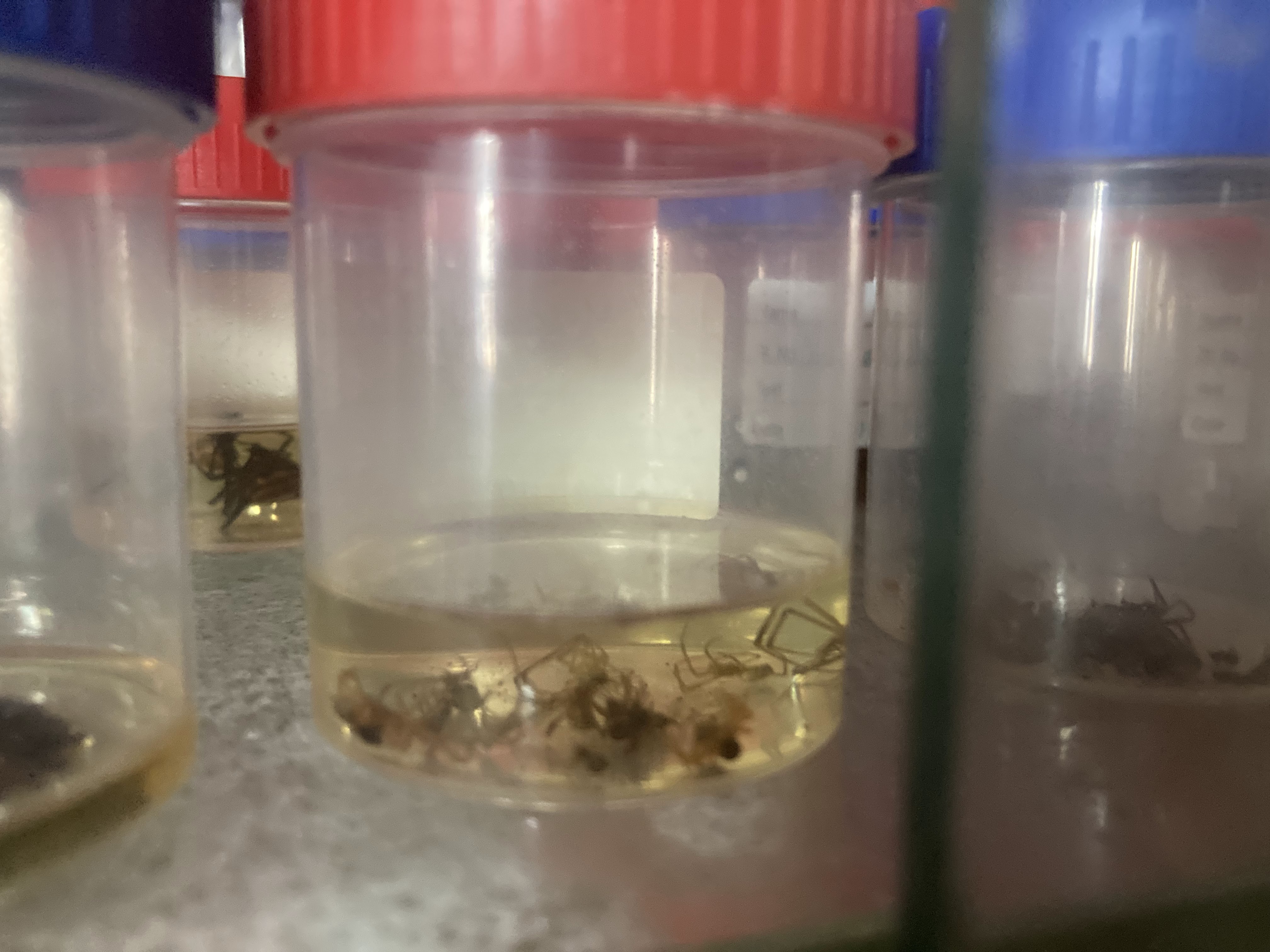
His name is Gautam Kadam and his obsession with spiders has been going on for a long time. For this purpose, he collected spider species and found 12 new ones in many parts of the country. He took meto his lab where he (mainly) and his fellow research colleagues have collected literally hundreds of species of spiders. As can be seen in the picture, they come in vastly different sizes. Some would fit of the tip of the finger and some on the palm, in fact, bigger than that. They have collected and studied spider species larger than that. It contains both venomous and non-venomous. Some are scorpions, some are spider-like species. He has also handled and rescued snakes. He knows it by-heart the characteristics of these spiders as well as the parts of the country where they are found. In fact, you can put your finger on a map of the country and he is so knowledgeable that he can tell you about the spider species there.

As I talked to him more, I realized that he chose this college so far away because he has a passion for spiders. After completing his masters in Wildlife Biology at Bandodkar College, Thane, Maharashtra, he worked on collecting a large number of spider species pan India and even discovered a few new species from places as remote as Meghalaya[1]. In between he also worked at Salim Ali Centre. He found a laboratory here in Kochi, that was one of the few in the country that worked on spiders and had some of the most sophisticated microscopes to examine and study very small spiders.


To preserve all these, they are kept in a solution of absolute i.e. 100% ethanol. If it evaporates after some time, it has to be refilled. They are taken out of it and looked at under a microscope to study the different nuances of their bodies. He then removed one such spider from a vial in front of me and placed it in a petri dish. He was going to show me what these spiders look like under a microscope. We have often seen them lurking in corners in our homes. I've tried taking pictures of some interesting looking spiders to try out my new lens adapter for a macro lens but I would end up seeing them 20 to 50 times larger than their actual size now. So, he put it under the microscope and in a minute or two he adjusted the focus to show me the spider. It was a female and her belly side was visible. Female spiders are generally larger than males. He also noted that among spiders, female spiders also eat males. They usually remove a part of the spider to look at the part under the microscope for detailed study, and this was a specimen that had already been dissected. Some of those pictures are shown here.

After a long search for various spiders, Gautam has collected a large number of specimens for himself to study. It is found in various parts of Tamil Nadu. It is a huge task to analyze all those samples thoroughly and write research papers on these findings of their features and characteristics. They check and record information from large datasets to find some new species that have not yet been recorded.


Now I understood why he came to such a remote place despite passing exams like GATE and why he didn't take admission in many well ranked institutes when he was eligible. His passion for spiders is immense and contagious. This is something that motivates him in his research even when he has no financial support from any fellowship and has to use his savings to survive. This obsession is something you may have heard/seen/read in stories of people who desperately try to pursue their passion for science, art, sports or anything else. Doing a PhD requires self-motivation and passion and he has it all. Coming from a rural background with no history of education at home, Gautam has set a role model for the children in and around his village. 


-Dr. Vinayak Kamble
IISER Trivandrum


[1] https://hubnetwork.in/unveiling-the-unknown-new-spider-species-discovered-in-baladinggre-village-in-meghalaya/ 


Monday, July 29, 2024

स्पायडर मॅन


कोचीच्या एका महाविद्यालयात मी नुकतेच व्याख्यान दिले होते त्या कार्यक्रमाच्या ठिकाणी हा तरुण मला भेटायला आला. त्याला भेटून मला खूप आनंद झाला पण आश्चर्यही वाटले कारण तो तरुण महाराष्ट्रातील कोकण प्रांतातील होता आणि केरळमधील कोचीमधल्या या महाविद्यालयात पीएचडी पदवीचे शिक्षण घेत होता. 

मला आश्चर्य वाटण्याचे कारण असे की, जरी हे कॉलेज खूप (सुमारे 80 वर्षे) जुने आणि केरळ राज्यात बऱ्यापैकी प्रसिद्ध असले तरी त्याची ख्याती सुमारे हजार किमी दूर महाराष्ट्रात पोहोचली असेल असे मला वाटत नाही. एखाद्या आयआयटी किंवा केंद्रीय विद्यापीठ इत्यादी प्रमाणे देशात नामांकित संस्थांपैकी ती एक असती तर ते समजण्यासारखे होते पण तसे नसताना येथे संशोधन करण्यासाठी कोणी इतक्या लांबून का यावे? 

जसजसे मी त्याच्याशी अधिक बोलत होतो तसतसे मला हे समजले की त्याने हे महाविद्यालय इतके दूर निवडले कारण त्याला कोळ्यांबद्दल (spiders) खूप आवड आहे. बांदोडकर कॉलेज, ठाणे, महाराष्ट्र येथे वन्यजीव जीवशास्त्रात पदव्युत्तर शिक्षण पूर्ण केल्यानंतर, त्यांनी संपूर्ण भारतात मोठ्या संख्येने कोळ्याच्या प्रजाती गोळा करण्याचे काम केले आणि मेघालयसारख्या दुर्गम ठिकाणाहून काही नवीन प्रजाती शोधून काढल्या. मध्यंतरी त्याने सलीम अली केंद्रात सुद्धा काम केले. त्याला देशभरात इथे एक प्रयोगशाळा सापडली जी कोळ्यांवर काम करणाऱ्या, देशातील मोजक्या प्रयोगशाळांपैकी एक होती आणि ज्यांच्याकडे अतिशय लहान आकाराच्या कोळ्यांचे परीक्षण आणि अभ्यास करण्यासाठी काही अत्याधुनिक सूक्ष्मदर्शक आहेत. 

त्याचे नाव गौतम कदम आणि हे कोळ्यांबद्दलचे त्याचा हा ध्यास तसा बऱ्याच काळापासून आहे. त्याने त्यासाठी देशाच्या बऱ्याच भागांमध्ये पायपीट करुन कोळ्यांच्या 12 प्रजाती जमा शोधल्या आहेत.[1] तो मला त्याच्या प्रयोगशाळेत घेउन गेला जिथे त्याने (मुख्यत:) आणि त्याच्यासह इतर संशोधन करणाऱ्या विद्यार्थ्यानीं कोळ्यांच्या अक्षरश: शेकडो प्रजातींचे संकलन केले आहे. चित्रात दिसत असल्याप्रमाणे अगदी बोटाच्या टोकावर ते तळहातावर मावतील, किंबहुना त्याहीपेक्षा आकाराने मोठ्या कोळ्यांच्या प्रजाती त्यांनी जमा केल्या आहेत, अभ्यासल्या आहेत. त्यात विषारी-बिन विषारी सगळेच आहेत. काही विंचू आहेत, काही कोळी सदृश्य जाती आहेत. त्याने साप सुद्धा हाताळलेत आणि सापाची सुटका केली आहे. त्याला या कोळ्यांच्या गुणविशेषांसह त्या देशाच्या कोणत्या भागात आढळतात याची माहिती तोंडपाठ आहे. किंबहुना, तुम्ही देशाच्या नकाशावर बोट ठेवा आणि तो तुम्हाला तिथल्या कोळ्यांच्या जातींबद्दल सांगू शकेल इतका त्याचा अभ्यास आहे. 

 या सर्वांचे जतन करण्यासाठी त्यांना ऍबसोल्यूट म्हणजे १००% एथेनॉलच्या द्रावणात ठेवले जाते. काही काळात त्याचे बाश्पीभवन झाल्यास ते पुन्हा भरावे लागते. त्यांच्या शरिराच्या वेगवेगळ्या बारकाव्यांचा अभ्यास करण्यासाठी त्यांना यातून बाहेर काढून त्यांना सुक्ष्मदर्शकाखाली बघितले जाते. असाच एक कोळी त्याने नुकताच एका कुपीतून काढला आणि पेट्री डिशमध्ये ठेवला. हे कोळी सूक्ष्मदर्शकाखाली कसे दिसतात हे तो मला दाखवणार होता. आपण अनेकदा त्यांना आपल्या घरात, कोपऱ्यात लपलेले पाहिले आहे. मॅक्रो लेन्ससाठी लेन्सचे माझे नवीन अडॅप्टर वापरून पाहण्यासाठी मी कधीतरी काही रंजक दिसणाऱ्या स्पायडरचे फोटो काढण्याचा प्रयत्न केला आहे परंतु मला ते 20 ते 50 पटीने वास्तविक आकारापेक्षा मोठे दिसेल. म्हणून, त्याने ते सूक्ष्मदर्शकाखाली ठेवले आणि एक-दोन मिनिटांत त्याने मला कोळी दाखवण्यासाठी फोकस व्यवस्थित केला. ती मादी होती आणि तिची पोटाकडची बाजू दिसत होती. कोळ्यांच्या मादी सामान्यत: पुरुषांपेक्षा मोठ्या असतात. त्यांनी असेही नमूद केले की कोळ्यांमध्ये मादी कोळी नरांना खाऊन देखील टाकतात. तपशीलवार अभ्यासासाठी सूक्ष्मदर्शकाखाली भाग पाहण्यासाठी ते सहसा कोळ्यांचा एक भाग काढतात आणि हा असाच एक नमुना होता ज्यासाठी आधीपासून विच्छेदन केले गेले होते. त्यापैकी काही चित्रे येथे दाखवली आहेत. 


 विविध कोळ्यांचा प्रदीर्घ शोध घेतल्यानंतर गौतमने अभ्यासासाठी स्वत:साठी मोठ्या प्रमाणात नमुने गोळा केले आहेत. तामिळनाडूच्या विविध भागात त्याचा वावर असतो. त्या सर्व नमून्यांचे संपूर्ण विश्लेषण करणे आणि त्यांची वैशिष्ट्ये आणि वैशिष्ट्यांच्या या निष्कर्षांवर शोध निबंध (research papers) लिहिणे हे एक मोठे काम आहे. काही नवीन प्रजाती शोधण्यासाठी ते मोठ्या डेटासेटची माहिती तपासतात आणि रेकॉर्ड करतात ज्यांची अद्याप नोंद झाली नाही. GATE सारखी परीक्षा उत्तीर्ण असूनही तो इतक्या आडगावच्या ठिकाणी का आला आणि अनेक चांगल्या रँक असलेल्या संस्थांमध्ये प्रवेश मिळण्याची संधी असूनसुदधा तो का नाही गेला हे आता मला समजले. कोळ्याबद्दलची त्याची आवड अफाट आणि संसर्गजन्य आहे. ही अशी गोष्ट आहे जी त्याला कोणत्याही फेलोशिपद्वारे आर्थिक पाठबळ नसताना आणि त्याच्या बचतीचा वापर जगण्यासाठी कराव्या लागणाऱ्या कठीण टप्प्यांमध्येही त्याला त्याच्या संशोधनात प्रवृत्त करते. हा ध्यास अशी गोष्ट आहे जी तुम्ही अशा लोकांच्या कथांमध्ये ऐकली/पाहिली/वाचली असेल जी विज्ञान, कला, क्रीडा किंवा इतर कशासाठीही त्यांची आवड जोपासण्याचा जिवापाड प्रयत्न करतात. पीएचडी करण्यासाठी स्वयं-प्रेरणा आणि ध्यासाची आवश्यकता असते आणि हे सर्व त्याच्याकडे आहे. घरात शिक्षणाचा कोणताही इतिहास नसलेल्या, ग्रामीण पार्श्वभूमीतून आलेल्या गौतमने आपल्या गावातील आणि आसपासच्या मुलांसाठी एक आदर्श ठेवला आहे. 

 -डॉ विनायक कांबळे 
भारतीय विज्ञान शिक्षण आणि संशोधन संस्था (IISER) तिरुवनंतपुरम, केरळ

[1] https://hubnetwork.in/unveiling-the-unknown-new-spider-species-discovered-in-baladinggre-village-in-meghalaya/


Sunday, July 28, 2024

गुरुत्वीय लहरी

साधारण एका शतकाआधी आईनस्टाईन नावाचा एक अवलिया जगाला कोड्यात पाडणाऱ्या प्रश्नाच्या उत्तराचं भाकीत करून गेला, त्याच्या सामान्य सापेक्षतावादाच्या सिद्धांतातून. बऱ्याचदा, या सिद्धांताच्या पूर्वार्धात मांडलेल्या विशेष सापेक्षतावादाच्या सिद्धांताबद्दल जे काही बोललं जातं, ते सांगताना केवळ वेळेच्या सापेक्षतेबद्दल सांगितलं जातं, पण ह्या सगळ्या प्रश्नांची व्याप्ती फार मोठी आहे. या सगळ्या विषयात वेळेची व्याप्ती, अवकाशाची व्याप्ती अतिप्रचंड स्वरुपाची आहे. म्हणजे वेळेच्या किंवा काळाच्या मोजमापाची व्याप्ती विश्वाच्या वयाच्या तुलनेची (विश्वाचे अंदाजे वय १३.७ × १०^९ वर्षे ) आणि याची जागेची म्हणजे अवकाशाच्या मोजमापाची व्याप्ती विश्वाच्या पसाऱ्याच्या तुलनेची आहे (अंदाजे १०० हजार प्रकाशवर्षे).

सौजन्य विकिपीडिया

तर, न्युटनच्या सफरचंदाच्या ख्यातनाम गोष्टीवरून जगाची अशी समजूत होती किंवा आहे की "गुरुत्वाकर्षण" म्हणजे दोन वस्तूंमधले परस्परांना आकर्षित करून घेण्याचे बल. पण आईनस्टाईनच्या सामान्य सापेक्षतावादाच्या सिद्धांतात हीच गोष्ट पूर्णतः वेगळा आयाम घेते. तो असे म्हणतो, की मुळात अवकाश आणि काळ हे परस्परांपासून विभक्त नाहीत तर एकमेकांशी संलग्न असून एक बहुमितीय पटलाची निर्मिती करतात. आणि अवकाशात कोणतीही वस्तू तिच्या आजूबाजूच्या त्रिमितीय अवकाश आणि काळ मिळून बनलेल्या या बहुमितीय पटलावर स्वत: भोवती एक उतार निर्माण करते. म्हणजे एखाद्या ताणलेल्या दोऱ्यावर कुठेतरी बोट ठेवून दाब दिल्यास जसे दोर खाली वाकेल त्याप्रमाणे. किंवा ताणलेल्या कापडावर एखादा जड चेंडू फेकल्यास तो जसे कापडाला एक खोबण निर्माण करेल तसेच काहीसे. अर्थात, या उताराची व्याप्ती त्या वस्तूच्या वस्तुमानावर अवलंबून असते, ज्याला आपण त्याचे गुरुत्वाकर्ष्णाचे क्षेत्र (field) म्हणू शकतो. आणि, त्यावर एखादी दुसरी वस्तू आल्यास (जिला स्वत: चे असे सीमित गुरुत्वाकर्ष्णाचे क्षेत्र असेल) ती आपोआप या उतारावरून घरंगळत जाते. अशा वक्राकार बहुआयामी अवकाशात दोन बिंदूमधील किमान अंतर सरळ रेषेत न राहता ते सुद्धा वक्राकार होते. त्यामुळे अशी लहान वस्तू आपल्याला त्या मोठ्या वस्तू भोवती वर्तुळाकार किंवा लंब वर्तुळाकार रित्या फिरत असल्याचा भास होतो, आणि याला वस्तुमान नसलेले प्रकाशकिरणही अपवाद नाहीत.

गुरुत्वीय लहरी (Gravitational Waves) याच अवकाश - काळ यांच्या बहुमितीय पटलावर उमटतात. एखाद्या महाकाय खगोलीय वस्तूंच्या वेगातील बदल किंवा एका अजस्त्र म्हाताऱ्या ताऱ्याचा महास्फोट अशा गुरुत्वीय लहरीना निर्माण करतो आणि या पुढे त्या अवकाश - काळाच्या पटलावर प्रवास करतात. पण प्रकाशाच्या लहरीप्रमाणे त्याचे इतर कोणत्याही पदार्थासोबत विनिमय न होता त्या अखंडित अवस्थेत मार्गक्रमण करतात. आणि म्हणूनच, त्याच्या निर्मिकाबद्दलची माहिती त्यात अबाधित राहते. म्हणून त्यांचा अभ्यास करणे आपल्या या विश्वाच्या बद्दलच्या ज्ञानात अमुल्य भर घालू शकते. 


कालच्या जगभरात कौतुकाचा वर्षाव केल्या जाणाऱ्या घटनेत अशाच गुरुत्वीय लहरीचा प्रत्यक्ष पुरावा शास्त्रज्ञाना सापडला आणि म्हणून हा लेख प्रपंच. अशा गुरुत्वीय लहरीचा शोध घेणं तसे अवघड असते आणि Laser Interferometer Gravitational-Wave Observatory (LIGO) ने त्यासाठी तयार केलेले अजस्त्र लेझर वर आधारित उपकरण केवळ मोठ्या तीव्रतेच्या लहरीचा शोध घेऊ शकत होते. आणि ही काल शोधलेली लहर सुद्धा अशाच दुर्मिळ खगोलशास्त्रीय घटनेचा परिणाम आहे. दोन परस्पराभोवती फिरणारी कृष्णविवरे (black holes) एकमेकात विलीन होऊन त्या संयोगाक्षणी ह्या लहरींचा जन्म झाला. “LIGO” ने त्यासाठी वापरलेल्या उपकरणात एका लेझर लहरींचा एका द्विभाजक आरशाच्या सहाय्याने मोठ्या "L" आकाराच्या दोन किरणांमध्ये विभाजन होते. जे अशाच ठराविक अंतरावरील (४ किमी) आरशाच्या सहाय्याने पुन्हा परावर्तीत होऊन पुन्हा उगमाच्या ठिकाणी येऊन एकमेकांना छेदतात, ज्यायोगे त्यांचे व्यतिकरण (interference) होते.


अशात गुरुत्वीय लहरी जिथून जातात तिथे अवकाश एका दिशेने किंचित आकुंचन पावते, तर त्याच्या काटकोनाच्या दिशेत किंचित प्रसारण पावते. मग या उपकरणाच्या एका बाजूच्या प्रकाशाची लांबी दुसऱ्या बाजूपेक्षा किंचित कमी होते, जी त्याच्या व्यतिकरण प्रक्रियेवरून मोजली जाऊ शकते. केवळ एवढेच नव्हे तर कोणत्या दिशेला लांबी कमी / जास्त झाली आहे यावरून सदर खगोलीय घटना कोणत्या दिशेला झाली आहे, याचाही अंदाज बांधता येतो. वर दाखवलेल्या छायाचित्राप्रमाणे इतक्या मोठ्या अंतराच्या प्रमाणावर प्रयोग करून देखील त्याच्यातल्या मोजमापाच्या अचूकतेचे विशेष कौतुक आहे, कारण यात निर्माण झालेला अंतराचा बदल हा फक्त अणुच्या केंद्राकाच्या लांबीइतका होता, जो मोजण्यात त्यांना यश आले. तुलनाच करायची झाली तर जर हे उपकरण सूर्यापासून आपल्या दुसऱ्या सगळ्यात जवळच्या ताऱ्यापर्यंत पसरले असते, तर हा लांबीबदल केवळ आपल्या मानवी केसाच्या जाडी इतका भरेल. हे सगळं खरंच भारावून टाकणारं आहे, या सगळ्या अफाट पसरलेल्या विश्वाच्या पसाऱ्याची लांबी थक्क करून सोडणारी आहे. त्यात अश्या एखाद्या दुर्मिळातील दुर्मिळ घटना जगाच्या इतिहासात फार मोठ्या पाऊलखुणा सोडून जातात. 


-डॉ विनायक कांबळे 


Saturday, February 17, 2024


निळेशार वाटे हे आभाळ सारे
निळे वाहते पाणी त्याखालूनी
कुण्या गावचा पूल दोन्ही किनारे
पहा जोडतो पाय तो रोवूनी

निळ्या डोंगराच्या पुसटत्याच रेषा
फिक्या होत जातात क्षितिजातूनी
निळ्या या नभाने उधळून द्यावे
निळे दान अपुल्याच हातातूनी

निळी होत जाते मी डोकावताना
निळ्या खोल डोहातली होऊनी
नदीच्या तळाशी कुठे खोल आर्त
निळे सूर येतात पाण्यातूनी

दिशा होत जाता निळ्या सावळ्याशा
निळे रंग येतात स्वप्नातूनी
तुझी होत जाते तशी वाहताना
प्रवाहात माझ्या मी गाण्यातूनी

-विनायक कांबळे